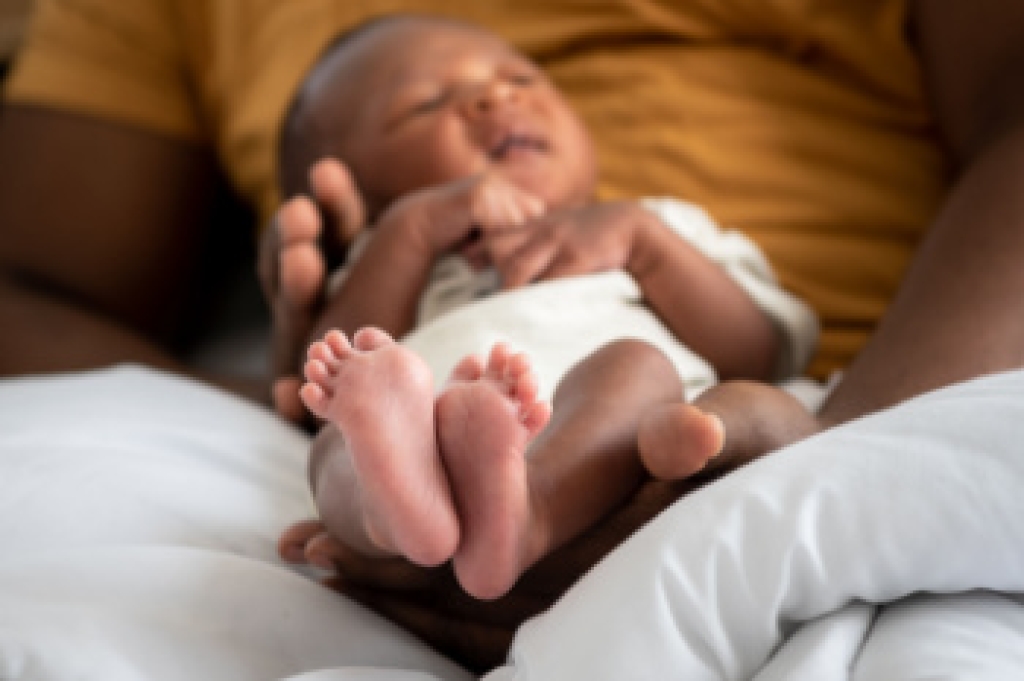
How Pregnancy May Affect Your Feet

Pregnancy brings many physical changes, and the feet can be affected more than expected. As body weight increases and the center of gravity shifts forward, pressure may be distributed differently across the feet. This can change the way a woman walks and may contribute to foot discomfort. Pregnancy also increases levels of relaxin, a hormone that loosens ligaments throughout the body. In the feet, this can affect the plantar fascia, which is the strong band of tissue that helps form the arch. As these structures become more flexible, the feet may flatten, widen, or increase in length. Some of these changes can remain after pregnancy.


Changes in the foot arch can lead to over-pronation, which happens when the foot rolls inward too much while bearing weight. This can increase strain on the plantar fascia and may contribute to plantar fasciitis. A lower arch can also increase stress on the legs and back. Bunions may develop as the shape and alignment of the foot change. Swelling, also called edema, is another frequent concern during pregnancy. Increased body fluids and pressure on blood vessels can contribute to swelling in the feet and ankles. Swelling may also be accompanied by aching, numbness, or tingling.


A podiatrist can evaluate pregnancy-related foot pain, and identify changes in foot structure or walking patterns. Because some changes can become long-lasting, professional assessment may be helpful when symptoms begin affecting comfort or mobility. A podiatrist can examine arch height, foot alignment, and areas experiencing increased pressure. Professional podiatric care can also help determine whether symptoms are related to common pregnancy changes or require additional medical attention. Foot problems during pregnancy should not automatically be dismissed when they are persistent or painful. If pregnancy-related foot pain, swelling, or structural changes are making walking uncomfortable, it is suggested that you consult a podiatrist for an evaluation and appropriate treatment options.

Pregnant women with swollen feet can be treated with a variety of different methods that are readily available. For more information about other cures for swollen feet during pregnancy, consult with Luis Esquerdo Cruz, DPM from Dr. Esquerdo Podiatry and Laser Center . Our doctor will attend to all of your foot and ankle needs.

What Foot Problems Can Arise During Pregnancy?

One problem that can occur is overpronation, which occurs when the arch of the foot flattens and tends to roll inward.  This can cause pain and discomfort in your heels while you’re walking or even just standing up, trying to support your baby.  

Another problem is edema, or swelling in the extremities. This often affects the feet during pregnancy but tends to occur in the later stages. 

How Can I Keep My Feet Healthy During Pregnancy?

  • Wearing orthotics can provide extra support for the feet and help distribute weight evenly
  • Minimize the amount of time spent walking barefoot
  • Wear shoes with good arch support
  • Wear shoes that allow for good circulation to the feet
  • Elevate feet if you experience swelling
  • Massage your feet
  • Get regular, light exercise, such as walking, to promote blood circulation to the feet

If you have any questions, please feel free to contact our office located in San Juan, PR . We offer the newest diagnostic and treatment technologies for all your foot care needs.

Read more about Foot Care for Pregnant Women

Why Your Feet Hurt and When to See a Podiatrist

Foot pain can affect the heel, arch, or other areas of the foot and can make everyday movement difficult. Because the feet support the body with every step, persistent pain can interfere with work, exercise, and other daily activities. The discomfort may feel sharp, aching, or tender, depending on its cause. Some patients also notice swelling, stiffness, or numbness. Pain can develop after an injury, but it can also result from repeated stress or changes in foot structure. Shoes that lack proper support or do not fit correctly can add pressure to sensitive areas. 

Many types of problems can cause foot pain. Plantar fasciitis can produce heel pain, while bunions can lead to soreness around the big toe joint. Arthritis can cause joint pain and stiffness. Other possible causes include stress fractures, nerve irritation, and ingrown toenails. Medical conditions that affect circulation or nerves can also contribute to discomfort in the feet. The location of the pain and the symptoms that appear with it provide important clues about the cause. Pain that continues, becomes more severe, or changes the way a person walks should be evaluated rather than ignored.

A podiatrist can determine what is causing foot pain and recommend treatment based on the diagnosis. An exam can include checking the painful area, testing joint movement, and watching how the patient walks. X-rays or other imaging tests can help identify bone or joint problems. Treatment can include custom orthotics to improve support and reduce pressure. A podiatrist can also recommend changes in shoes or provide treatments that address the specific source of pain. Surgery can correct a structural problem or repair damaged tissue when other treatment options have not provided enough relief. If you are experiencing foot pain, it is suggested that you schedule an appointment with a podiatrist for a diagnosis and appropriate treatment.

Foot Pain

Foot pain can be extremely painful and debilitating. If you have a foot pain, consult with Luis Esquerdo Cruz, DPM from Dr. Esquerdo Podiatry and Laser Center . Our doctor will assess your condition and provide you with quality foot and ankle treatment.

Causes

Foot pain is a very broad condition that could be caused by one or more ailments. The most common include:

  • Bunions
  • Hammertoes
  • Plantar Fasciitis
  • Bone Spurs
  • Corns
  • Tarsal Tunnel Syndrome
  • Ingrown Toenails
  • Arthritis (such as Gout, Rheumatoid, and Osteoarthritis)
  • Flat Feet
  • Injury (from stress fractures, broken toe, foot, ankle, Achilles tendon ruptures, and sprains)
  • And more

Diagnosis

To figure out the cause of foot pain, podiatrists utilize several different methods. This can range from simple visual inspections and sensation tests to X-rays and MRI scans. Prior medical history, family medical history, and any recent physical traumatic events will all be taken into consideration for a proper diagnosis.

Treatment

Treatment depends upon the cause of the foot pain. Whether it is resting, staying off the foot, or having surgery; podiatrists have a number of treatment options available for foot pain.

If you have any questions, please feel free to contact our office located in San Juan, PR . We offer the newest diagnostic and treatment technologies for all your foot care needs.

Read more about Foot Pain

Keep Your Feet Healthy So You Can Stay Active

Have your feet inspected by a professional before starting a new sport or physical activity. Taking charge of your foot health will keep you in good physical condition and can help you avoid a potential injury, such as a fracture or sprained ankle.

Prevent injuries and see a foot specialist.

Understanding Foot Development Problems in Babies

Congenital foot problems are conditions affecting a baby’s feet that are present at birth. Some develop because of the baby’s position before birth, while others involve differences in how the bones, joints, or muscles formed. One example is clubfoot, which causes the foot to turn inward and downward. Another is metatarsus adductus, in which the front half of the foot curves inward. Some newborn foot deformities are flexible, while others are more rigid. The appearance of a baby’s feet does not always indicate the severity of a condition. A professional examination can help determine the type of foot problem and whether treatment is necessary.


Early evaluation is important because a baby’s feet continue to grow and develop quickly. Some congenital foot deformities may improve as the child grows, while others require medical treatment to guide the foot into a better position. The severity and flexibility of the deformity can help determine the appropriate approach. Certain conditions may affect one foot or both feet. Without proper care, more serious deformities may eventually influence standing, walking, or normal foot function. Identifying the condition early allows health care professionals to monitor development and determine whether additional treatment is needed as the child grows.


A podiatrist can evaluate congenital foot problems by examining the shape, position, and movement of a baby’s feet. The examination can help determine whether the foot is flexible or whether structural changes require closer attention. Depending on the diagnosis, podiatric care may involve monitoring development, specialized casting, or coordination with other medical specialists. Treatment decisions are based on the specific deformity and the child’s development. Early podiatric care can help support proper foot alignment and future mobility when treatment is needed. If you notice unusual positioning, shape, or movement in your baby’s feet, it is suggested that you consult a podiatrist for an evaluation and appropriate treatment options.

Congenital foot problems require immediate attention to avoid future complications. If you have any concerns, contact Luis Esquerdo Cruz, DPM of Dr. Esquerdo Podiatry and Laser Center . Our doctor can provide the care you need to keep you pain-free and on your feet.

Congenital foot problems are deformities affecting the feet, toes, and/or ankles that children are born with. Some of these conditions have a genetic cause while others just happen. Some specific foot ailments that children may be born with include clubfeet, polydactyly/macrodactyly, and cleft foot. There are several other foot anomalies that can occur congenitally. What all of these conditions have in common is that a child may experience difficulty walking or performing everyday activities, as well as trouble finding footwear that fits their foot deformity. Some of these conditions are more serious than others. Consulting with a podiatrist as early as possible will help in properly diagnosing a child’s foot condition while getting the necessary treatment underway.

What are Causes of Congenital Foot Problem?

A congenital foot problem is one that happens to a child at birth. These conditions can be caused by a genetic predisposition, developmental or positional abnormalities during gestation, or with no known cause.

What are Symptoms of Congenital Foot Problems?

Symptoms vary by the congenital condition. Symptoms may consist of the following:

  • Clubfoot, where tendons are shortened, bones are shaped differently, and the Achilles tendon is tight, causing the foot to point in and down. It is also possible for the soles of the feet to face each other.
  • Polydactyly, which usually consists of a nubbin or small lump of tissue without a bone, a toe that is partially formed but has no joints, or an extra toe.
  • Vertical talus, where the talus bone forms in the wrong position causing other bones in the foot to line up improperly, the front of the foot to point up, and the bottom of the foot to stiffen, with no arch, and to curve out.
  • Tarsal coalition, when there is an abnormal connection of two or more bones in the foot leading to severe, rigid flatfoot.
  • Cleft foot, where there are missing toes, a V-shaped cleft, and other anatomical differences.
  • Macrodactyly, when the toes are abnormally large due to overgrowth of the underlying bone or soft tissue.

Treatment and Prevention

While there is nothing one can do to prevent congenital foot problems, raising awareness and receiving neonatal screenings are important. Early detection by taking your child to a podiatrist leads to the best outcome possible.

If you have any questions, please feel free to contact our office located in San Juan, PR . We offer the newest diagnostic and treatment technologies for all your foot care needs.

Read more about Congenital Foot Problems

Risks Factors and Causes of Plantar Fasciitis

Plantar fasciitis is an inflammation of the thick band of tissue that runs along the bottom of the foot, called the plantar fascia. It can cause sharp, burning heel pain or pain under the foot that feels like walking on broken glass. Many patients notice the worst discomfort with their first steps in the morning or after sitting for a long time. The pain usually eases after several minutes of movement, but it can return after long hours of standing, running, or other demanding activities. One or both feet can be affected, making daily routines more difficult.

The plantar fascia supports the arch and helps absorb force with every step. Repeated strain can create tiny tears where the tissue attaches to the heel, leading to irritation and inflammation. Risk factors include running, standing for long periods of time, and shoes that lack proper support. Flat feet, high arches, and tight calf muscles also place extra stress on the tissue. Extra body weight and getting older increase the chance of developing this painful condition. People who return to sports after a long break also face higher risk because the tissue must handle sudden stress. Hard running surfaces and jobs that require many hours on the feet can further increase strain on the heel and arch with every step.

A podiatrist diagnoses plantar fasciitis by discussing symptoms, examining the foot, and checking how you walk. Imaging tests are only used when another problem is suspected. Treatment includes custom orthotics, injections, and target exercises. Surgery may be needed for severe cases that do not improve with other care. A podiatrist also identifies factors that cause repeated strain and recommends changes that protect the foot while supporting healing. If you have heel pain or other pain under the foot, it is suggested that you schedule an appointment with a podiatrist who can accurately diagnose and treat plantar fasciitis.

Plantar fasciitis can be very painful and inconvenient. If you are experiencing heel pain or symptoms of plantar fasciitis, contact Luis Esquerdo Cruz, DPM  from Dr. Esquerdo Podiatry and Laser Center . Our doctor can provide the care you need to keep you pain-free and on your feet.

What Is Plantar Fasciitis?

Plantar fasciitis is the inflammation of the thick band of tissue that runs along the bottom of your foot, known as the plantar fascia, and causes mild to severe heel pain.

What Causes Plantar Fasciitis?

  • Excessive running
  • Non-supportive shoes
  • Overpronation
  • Repeated stretching and tearing of the plantar fascia

How Can It Be Treated?

  • Conservative measures – anti-inflammatories, ice packs, stretching exercises, physical therapy, orthotic devices
  • Shockwave therapy – sound waves are sent to the affected area to facilitate healing and are usually used for chronic cases of plantar fasciitis
  • Surgery – usually only used as a last resort when all else fails. The plantar fascia can be surgically detached from the heel

While very treatable, plantar fasciitis is definitely not something that should be ignored. Especially in severe cases, speaking to your doctor right away is highly recommended to avoid complications and severe heel pain. Your podiatrist can work with you to provide the appropriate treatment options tailored to your condition.

If you have any questions, please feel free to contact our office located in San Juan, PR . We offer the newest diagnostic and treatment technologies for all your foot care needs.

Read more about Plantar Fasciitis