The Remarkable Mechanics Beneath Every Step

The human foot is an intricate structure made of 26 bones working together to absorb shock, adapt to uneven surfaces, and create powerful movement, even for dancers who demand precision and balance. When foot mechanics are disrupted, symptoms that may develop include aching pain, fatigue, or instability that travels through the feet, ankles, knees, and even hips. Common signs include changes in posture, uneven shoe wear, swelling, soreness, or burning during activity. Poor mechanics can be caused by genetics, injury, repetitive stress, improper footwear, or the intense demands placed on the feet through sports or dance. The foot may look flattened, overly arched, or misaligned, and it can feel strained, tired, or painful with prolonged standing or movement. A podiatrist evaluates foot mechanics through gait analysis, physical examination, and imaging to identify the source of imbalance. Treatment often begins with education, supportive footwear, and custom orthotics, progressing to strengthening exercises or corrective options to restore efficient movement. If you have foot mechanics problems, it is suggested that you make an appointment with a podiatrist.

If you have any concerns about your feet, contact Luis Esquerdo Cruz, DPM from Dr. Esquerdo Podiatry and Laser Center . Our doctor can provide the care you need to keep you pain-free and on your feet.

Biomechanics in Podiatry

Podiatric biomechanics is a particular sector of specialty podiatry with licensed practitioners who are trained to diagnose and treat conditions affecting the foot, ankle and lower leg. Biomechanics deals with the forces that act against the body, causing an interference with the biological structures. It focuses on the movement of the ankle, the foot and the forces that interact with them.

A History of Biomechanics

  • Biomechanics dates back to the BC era in Egypt where evidence of professional foot care has been recorded.
  • In 1974, biomechanics gained a higher profile from the studies of Merton Root, who claimed that by changing or controlling the forces between the ankle and the foot, corrections or conditions could be implemented to gain strength and coordination in the area.

Modern technological improvements are based on past theories and therapeutic processes that provide a better understanding of podiatric concepts for biomechanics. Computers can provide accurate information about the forces and patterns of the feet and lower legs.

Understanding biomechanics of the feet can help improve and eliminate pain, stopping further stress to the foot.

If you have any questions please feel free to contact our office located in San Juan, PR . We offer the newest diagnostic and treatment technologies for all your foot and ankle needs.

Read more about The Importance of Biomechanics in Podiatry

A Broken Foot and Prompt Podiatric Care

A broken foot is a serious injury defined as a fracture in one or more of the bones that form the structure of the foot. This condition often occurs as the result of a sports-related injury, sudden impact, or a fall that places excessive force on the foot. A compound fracture occurs when the broken bone passes through the skin, while a closed fracture describes a break that remains beneath the skin without external exposure. Symptoms include severe pain, swelling, bruising, and difficulty bearing weight. Risk factors include high impact activities, weakened bone strength, or accidents that stress the foot. A podiatrist can evaluate the injury, provide treatment, and guide recovery. If you have broken your foot, it is suggested that you promptly consult a podiatrist who can offer appropriate treatment solutions.

A broken foot requires immediate medical attention and treatment. If you need your feet checked, contact Luis Esquerdo Cruz, DPM from Dr. Esquerdo Podiatry and Laser Center . Our doctor can provide the care you need to keep you pain-free and on your feet.

Broken Foot Causes, Symptoms, and Treatment

A broken foot is caused by one of the bones in the foot typically breaking when bended, crushed, or stretched beyond its natural capabilities. Usually the location of the fracture indicates how the break occurred, whether it was through an object, fall, or any other type of injury. 

Common Symptoms of Broken Feet:

  • Bruising
  • Pain
  • Redness
  • Swelling
  • Blue in color
  • Numbness
  • Cold
  • Misshapen
  • Cuts
  • Deformities

Those that suspect they have a broken foot shoot seek urgent medical attention where a medical professional could diagnose the severity.

Treatment for broken bones varies depending on the cause, severity and location. Some will require the use of splints, casts or crutches while others could even involve surgery to repair the broken bones. Personal care includes the use of ice and keeping the foot stabilized and elevated.

If you have any questions, please feel free to contact our office located in San Juan, PR . We offer the newest diagnostic and treatment technologies for all your foot care needs.

Read more about Causes, Symptoms, and Treatment for a Broken Foot

Get Proper Treatment for Ankle Injuries

If you're experiencing ankle pain, you may be suffering from an ankle injury. Sprains, fractures, Achilles tendonitis, and Achilles tendon ruptures are just some examples of potential ankle injuries. Don't wait for care for an ankle injury, as it may worsen over time. We can help!

Simple Home Safety Tips to Help Prevent Falls

Falls prevention at home is an important part of protecting health and maintaining independence. Many falls occur because of hazards that can be corrected with simple safety improvements. Checking floor surfaces for loose rugs, uneven areas, or slippery spots can help reduce the risk of slipping. Improving lighting throughout the home allows better visibility, especially in hallways and stairways. Rearranging furniture to create clear walking paths and removing clutter from floors can also improve safety and mobility. Additionally, installing grab bars in the bathroom provides additional support when stepping in or out of the shower or bathtub. Foot health also plays a key role in balance and stability. Falling can seriously impact the feet. If you have injured your foot or ankle from falling, it is suggested that you consult a podiatrist who can offer effective relief and additional falls prevention tips.

Preventing falls among the elderly is very important. If you are older and have fallen or fear that you are prone to falling, consult with Luis Esquerdo Cruz, DPM from Dr. Esquerdo Podiatry and Laser Center . Our doctor will assess your condition and provide you with quality advice and care.

Every 11 seconds, an elderly American is being treated in an emergency room for a fall related injury. Falls are the leading cause of head and hip injuries for those 65 and older. Due to decreases in strength, balance, senses, and lack of awareness, elderly persons are very susceptible to falling. Thankfully, there are a number of things older persons can do to prevent falls.

How to Prevent Falls

Some effective methods that older persons can do to prevent falls include:

  • Enrolling in strength and balance exercise program to increase balance and strength
  • Periodically having your sight and hearing checked
  • Discuss any medications you have with a doctor to see if it increases the risk of falling
  • Clearing the house of falling hazards and installing devices like grab bars and railings
  • Utilizing a walker or cane
  • Wearing shoes that provide good support and cushioning
  • Talking to family members about falling and increasing awareness

Falling can be a traumatic and embarrassing experience for elderly persons; this can make them less willing to leave the house, and less willing to talk to someone about their fears of falling. Doing such things, however, will increase the likelihood of tripping or losing one’s balance. Knowing the causes of falling and how to prevent them is the best way to mitigate the risk of serious injury.  

If you have any questions, please feel free to contact our office located in San Juan, PR . We offer the newest diagnostic and treatment technologies for all your foot care needs.

Read more about Falls Prevention

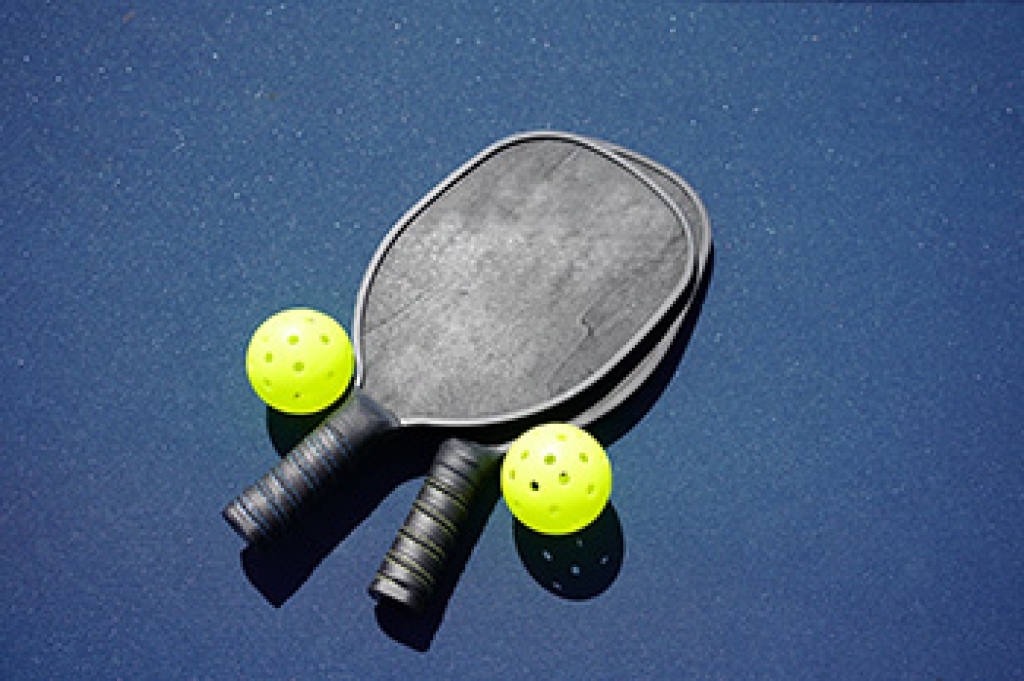
When Pickleball Leads to Foot and Ankle Pain

Pickleball is popular because it feels low impact, but the quick starts, sudden stops, and side-to-side movements place real stress on the feet and ankles. Sprains can occur when the ankle rolls during a fast change in direction, while muscle strains may develop from pushing off quickly or reaching for wide shots. Seniors are more prone to these injuries due to natural changes with aging, including reduced balance, slower reaction time, decreased muscle strength, and stiffer joints. Previous injuries, arthritis, or reduced flexibility can further increase risk. Wearing improper footwear and playing on hard courts also add strain to the lower extremities. Early care is important, since minor injuries can worsen if ignored. If foot or ankle pain, swelling, or instability develops after playing pickleball, it is suggested that you see a podiatrist for evaluation, treatment, and guidance on a safe return to activity.

Ankle and foot injuries are common among athletes and in many sports. They can be caused by several problems and may be potentially serious. If you are feeling pain or think you were injured in a sporting event or when exercising, consult with Luis Esquerdo Cruz, DPM from Dr. Esquerdo Podiatry and Laser Center . Our doctor will assess your condition and provide you with quality foot and ankle treatment.

Common Injuries

The most common injuries that occur in sporting activities include:

  • Achilles Tendonitis
  • Achilles Tendon Rupture
  • Ankle Sprains
  • Broken Foot
  • Plantar Fasciitis
  • Stress Fractures
  • Turf Toe

Symptoms

Symptoms vary depending upon the injury and in some cases, there may be no symptoms at all. However, in most cases, some form of symptom is experienced. Pain, aching, burning, bruising, tenderness, tightness or stiffness, sensation loss, difficulty moving, and swelling are the most common symptoms.

Treatment

Just as symptoms vary depending upon the injury, so do treatment options. A common treatment method is known as the RICE method. This method involves rest, applying ice, compression and elevating the afflicted foot or ankle. If the injury appears to be more serious, surgery might be required, such as arthroscopic or reconstructive surgery. Lastly, rehabilitation or therapy might be needed to gain full functionality in the afflicted area. Any discomfort experienced by an athlete must be evaluated by a licensed, reputable medical professional.  

If you have any questions please contact our office located in San Juan, PR . We offer the newest diagnostic and treatment technologies for all your foot and ankle needs.

Read more about Sports Related Foot and Ankle Injuries