Foot Care Habits for Strong and Infection-Free Feet

Practicing healthy foot care habits is essential for preventing infections and maintaining overall wellness. Washing and drying feet each day helps remove bacteria and moisture that can lead to problems, while trimming toenails properly reduces the risk of injury. Checking feet for cuts and sores allows early detection of issues before they worsen. Without proper care, conditions like fungal nail infections, ringworm, and hookworm can develop. Fungal nail infections cause thickened and discolored nails, ringworm is a contagious skin infection that creates itchy circular rashes, and hookworm is a parasitic infection that can enter through the skin. Risk factors include poor hygiene and walking barefoot in contaminated areas. If you have any of the above symptoms, it is suggested that you consult a podiatrist who can provide a proper diagnosis and treatment.

Everyday foot care is very important to prevent infection and other foot ailments. If you need your feet checked, contact Luis Esquerdo Cruz, DPM from Dr. Esquerdo Podiatry and Laser Center . Our doctor can provide the care you need to keep you pain-free and on your feet.

Everyday Foot Care

Often, people take care of their bodies, face and hair more so than they do for their feet. But the feet are a very important aspect of our bodies, and one that we should pay more attention to. Without our feet, we would not be able to perform most daily tasks.

It is best to check your feet regularly to make sure there are no new bruises or cuts that you may not have noticed before. For dry feet, moisturizer can easily be a remedy and can be applied as often as necessary to the affected areas. Wearing shoes that fit well can also help you maintain good foot health, as well as making it easier to walk and do daily activities without the stress or pain of ill-fitting shoes, high heels, or even flip flops. Wearing clean socks with closed shoes is important to ensure that sweat and bacteria do not accumulate within the shoe. Clean socks help to prevent Athlete’s foot, fungi problems, bad odors, and can absorb sweat.

If you have any questions, please feel free to contact our office located in San Juan, PR . We offer the newest diagnostic and treatment technologies for all your foot care needs.

Read more about Everyday Foot Care

Are You Suffering From Nerve Damage?

Neuropathy is a condition that can lead to numbness or loss of sensation in the feet, but it can also cause pain. This condition is more likely to develop for those who are diabetic, obese, or with high blood pressure.

How Hammertoes Affect Movement and Cause Foot Strain

A hammertoe occurs when one of the smaller toes bends abnormally at the middle joint, but the effects often extend beyond the toe itself. This change in position can alter how weight is distributed across the foot, placing added pressure on the ball of the foot and surrounding structures. As the body adjusts to this imbalance, the way you walk may shift, leading to strain in the arch and increased tension along the plantar fascia, the band of tissue that supports the bottom of the foot. Over time, this added stress can contribute to discomfort in the heel, arch, or even the ankle and lower leg. A proper evaluation looks at both the toe deformity and overall foot function to identify the source of strain. Treatment may include padding, footwear changes, orthotics, or procedures to correct alignment. If symptoms persist, it is suggested that you see a podiatrist for a proper diagnosis and appropriate treatment.

Hammertoes can be a painful condition to live with. For more information, contact Luis Esquerdo Cruz, DPM of Dr. Esquerdo Podiatry and Laser Center . Our doctor will answer any of your foot- and ankle-related questions.

Hammertoe

Hammertoe is a foot deformity that occurs due to an imbalance in the muscles, tendons, or ligaments that normally hold the toe straight. It can be caused by the type of shoes you wear, your foot structure, trauma, and certain disease processes.

Symptoms

  • Painful and/or difficult toe movement
  • Swelling
  • Joint stiffness
  • Calluses/Corns
  • Physical deformity

Risk Factors

  • Age – The risk of hammertoe increases with age
  • Sex – Women are more likely to have hammertoe compared to men
  • Toe Length – You are more likely to develop hammertoe if your second toe is longer than your big toe
  • Certain Diseases – Arthritis and diabetes may make you more likely to develop hammertoe

Treatment

If you have hammertoe, you should change into a more comfortable shoe that provides enough room for your toes. Exercises such as picking up marbles may strengthen and stretch your toe muscles. Nevertheless, it is important to seek assistance from a podiatrist in order to determine the severity of your hammertoe and see which treatment option will work best for you.

If you have any questions, please feel free to contact our office located in San Juan, PR . We offer the newest diagnostic and treatment technologies for all your foot care needs.

Read more about Hammertoe

Bunions and How They Are Treated

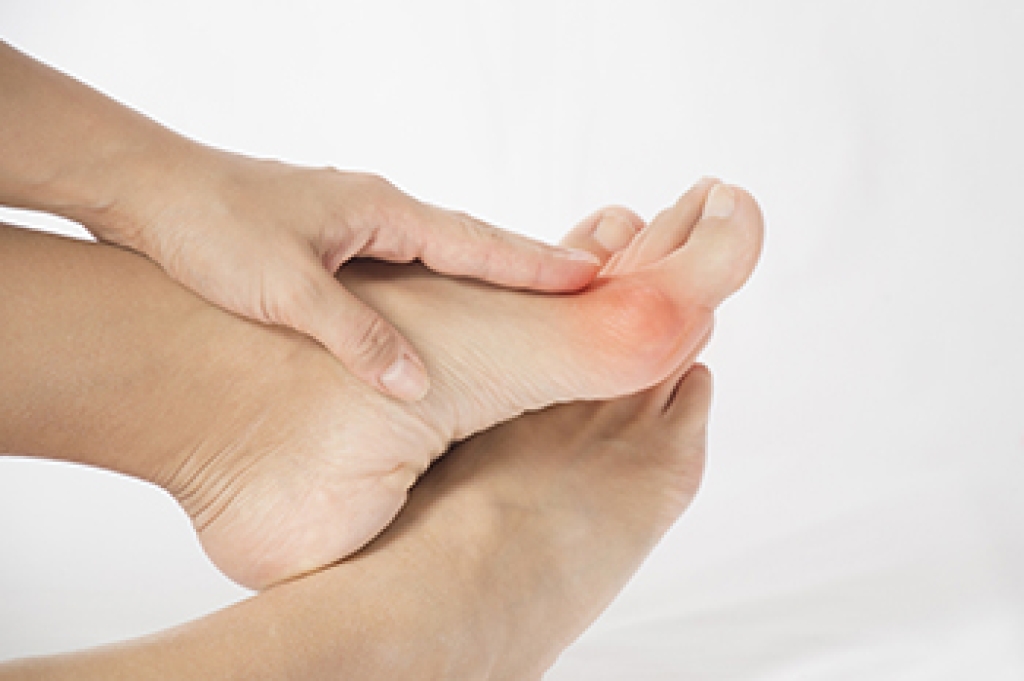
A bunion is a bony bump that forms at the base of the big toe joint. It develops when the big toe gradually shifts toward the second toe, causing the joint to stick outward. This change can lead to swelling, redness, and pain, especially when wearing tight or narrow shoes. Bunions often develop due to inherited foot structure, arthritis, or repeated pressure on the toes from footwear. As the joint becomes more misaligned, walking and standing may become uncomfortable. Early treatment often focuses on reducing pressure and irritation. Wearing shoes with a wide toe box, using protective padding, and adding custom orthotics can help support the foot and ease discomfort. Anti-inflammatory care may also reduce swelling. When bunions become severe and interfere with daily activities, surgical correction may be considered to realign the joint. If you notice a painful bump forming near your big toe, it is suggested that you see a podiatrist who can evaluate the problem and recommend appropriate treatment.

If you are suffering from bunions, contact Luis Esquerdo Cruz, DPM of Dr. Esquerdo Podiatry and Laser Center . Our doctor can provide the care you need to keep you pain-free and on your feet.

What Is a Bunion?

A bunion is formed of swollen tissue or an enlargement of boney growth, usually located at the base joint of the toe that connects to the foot. The swelling occurs due to the bones in the big toe shifting inward, which impacts the other toes of the foot. This causes the area around the base of the big toe to become inflamed and painful.

Why Do Bunions Form?

Genetics – Susceptibility to bunions are often hereditary

Stress on the feet – Poorly fitted and uncomfortable footwear that places stress on feet, such as heels, can worsen existing bunions

How Are Bunions Diagnosed?

Podiatrists often perform two tests – blood tests and x-rays – when trying to diagnose bunions, especially in the early stages of development. Blood tests help determine if the foot pain is being caused by something else, such as arthritis, while x-rays provide a clear picture of your bone structure to your provider.

How Are Bunions Treated?

  • Refrain from wearing heels or similar shoes that cause discomfort
  • Select wider shoes that can provide more comfort and reduce pain
  • Anti-inflammatory and pain management drugs
  • Orthotics or foot inserts
  • Surgery

If you have any questions, please feel free to contact our office located in San Juan, PR . We offer the newest diagnostic and treatment technologies for all your foot care needs.

Read more about What Are Bunions?

Causes of Foot Stress Fractures

A foot stress fracture is a small crack in a bone caused by repetitive force rather than a single injury. It commonly occurs in the metatarsal bones of the forefoot, although it can also affect the heel or midfoot. Symptoms include localized pain that worsens with walking or activity, swelling, and tenderness. Causes include overuse, high-impact activities, or a sudden change in running surface or intensity. Abnormal foot structure can increase strain on specific bones. Risk factors include inadequate footwear, low bone density, and rapid increases in activity levels. A podiatrist can diagnose the injury, order imaging to confirm the diagnosis, and provide treatment and recovery guidance. If you have symptoms of a foot stress fracture, it is suggested that you consult a podiatrist who can offer effective relief and treatment solutions. 

Stress fractures occur when there is a tiny crack within a bone. To learn more, contact Luis Esquerdo Cruz, DPM from Dr. Esquerdo Podiatry and Laser Center . Our doctor can provide the care you need to keep you pain free and on your feet.

How Are They Caused?

Stress fractures are the result of repetitive force being placed on the bone. Since the lower leg and feet often carry most of the body’s weight, stress fractures are likely to occur in these areas. If you rush into a new exercise, you are more likely to develop a stress fracture since you are starting too much, too soon.  Pain resulting from stress fractures may go unnoticed at first, however it may start to worsen over time.

Risk Factors

  • Gender – They are more commonly found in women compared to men.
  • Foot Problems – People with unusual arches in their feet are more likely to develop stress fractures.
  • Certain Sports – Dancers, gymnasts, tennis players, runners, and basketball players are more likely to develop stress fractures.
  • Lack of Nutrients – A lack of vitamin D and calcium may weaken the bones and make you more prone to stress fractures
  • Weak Bones – Osteoporosis can weaken the bones therefore resulting in stress fractures

Stress fractures do not always heal properly, so it is important that you seek help from a podiatrist if you suspect you may have one. Ignoring your stress fracture may cause it to worsen, and you may develop chronic pain as well as additional fractures.

If you have any questions please contact our office located in San Juan, PR . We offer the newest diagnostic and treatment technologies for all your foot and ankle needs.

Read more about Stress Fractures of the Foot and Ankle