Morton’s Neuroma Symptoms and Risk Factors Explained

Morton’s neuroma is a common nerve-related foot condition that causes pain in the ball of the foot. It occurs when tissue surrounding a nerve becomes thickened and irritated, creating pressure on the affected nerve. The condition most often develops between the third and fourth toes, although symptoms can vary between individuals. Understanding how Morton’s neuroma develops can help identify warning signs and support early treatment.

The symptoms of Morton’s neuroma may include burning sensations, sharp pain, tingling, and numbness in the forefoot. Many people describe the discomfort as feeling like there is a small object trapped inside their shoe. Pain is typically located beneath the ball of the foot and may extend into the toes. Symptoms often become more noticeable during walking, running, or when wearing shoes that squeeze the front of the foot.


Risk factors for Morton’s neuroma include footwear choices, activity levels, and existing foot structure concerns. Wearing high heels and narrow shoes can force the toes together, increasing pressure on the nerves. Athletes who participate in running or jumping activities may also experience repeated stress in the forefoot. Other risk factors include flat feet, high arches, bunions, and hammertoes, which can change the way pressure is distributed across the foot.


Preventing worsening symptoms involves reducing irritation and supporting proper foot mechanics. Choosing comfortable shoes with enough room for the toes can help decrease pressure on the nerve. Addressing foot alignment concerns early may also improve comfort and mobility. Morton’s neuroma can be painful and may cause difficulty in completing daily activities. If you have pain in this part of your foot, it is suggested that you consult a podiatrist who can accurately diagnose and treat Morton’s neuroma. 

Morton’s neuroma is a very uncomfortable condition to live with. If you think you have Morton’s neuroma, contact Luis Esquerdo Cruz, DPM of Dr. Esquerdo Podiatry and Laser Center . Our doctor will attend to all of your foot care needs and answer any of your related questions.  

Morton’s Neuroma

Morton's neuroma is a painful foot condition that commonly affects the areas between the second and third or third and fourth toe, although other areas of the foot are also susceptible. Morton’s neuroma is caused by an inflamed nerve in the foot that is being squeezed and aggravated by surrounding bones.

What Increases the Chances of Having Morton’s Neuroma?

  • Ill-fitting high heels or shoes that add pressure to the toe or foot
  • Jogging, running or any sport that involves constant impact to the foot
  • Flat feet, bunions, and any other foot deformities

Morton’s neuroma is a very treatable condition. Orthotics and shoe inserts can often be used to alleviate the pain on the forefront of the feet. In more severe cases, corticosteroids can also be prescribed. In order to figure out the best treatment for your neuroma, it’s recommended to seek the care of a podiatrist who can diagnose your condition and provide different treatment options.

If you have any questions, please feel free to contact our office located in San Juan, PR . We offer the newest diagnostic and treatment technologies for all your foot care needs.

Read more about What is Morton's Neuroma?

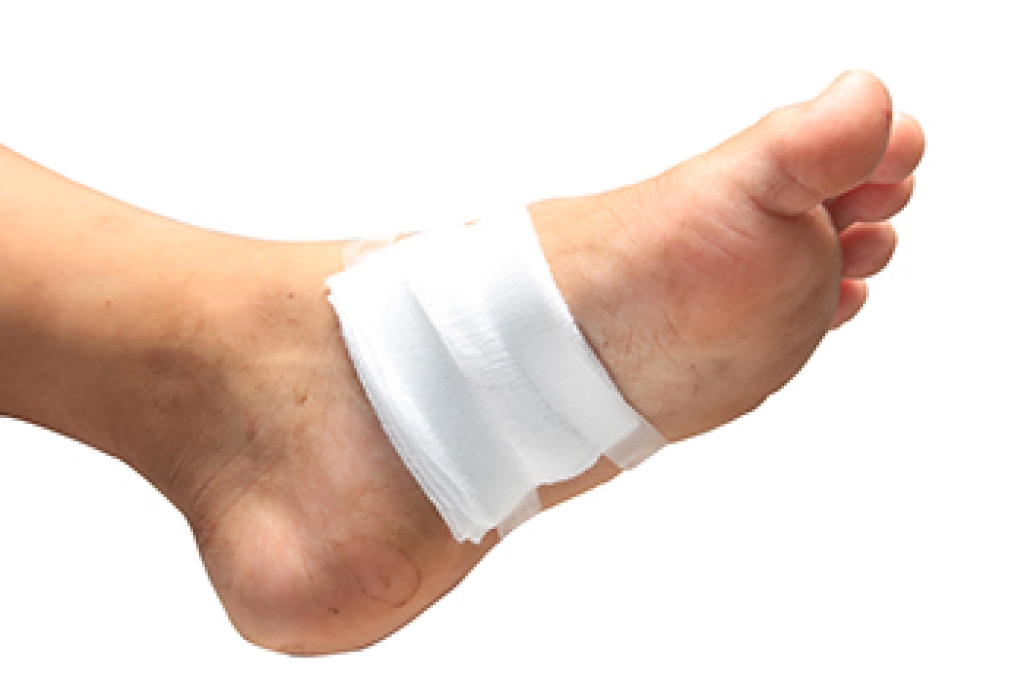
Foot Pressure Sores Can Lead to Serious Complications

Sores on the feet develop when pressure damages the skin and tissue beneath it. They frequently form over bony areas, especially the heels and ankles. People who spend long periods in bed, sit in a wheelchair, or have limited movement face increased risk. Diabetes and poor blood flow raise the risk, because wounds can be harder to notice and heal. Early signs include red or discolored skin, warmth, and tenderness. The area may feel firm or spongy. A sore can later become a blister or open wound, and, in severe cases, extend into deeper tissue.

Pressure is the main cause, but friction and sliding can add to the damage. Moisture can weaken the skin and make it more open to injury. Foot deformities, prominent bones, and shoes that create repeated pressure can lead to sores. Reduced feeling in the feet is concerning, because a patient may not notice pain or skin changes. A pressure sore should receive medical attention. Increasing redness, drainage, or swelling can point to infection. An unpleasant odor is another warning sign. Fever or spreading redness requires urgent care. Without treatment, the wound can deepen and affect muscle or bone.

A podiatrist can examine the pressure sore, measure its depth, and check blood flow and sensation in the foot. The evaluation also identifies the source of pressure and looks for infection. Treatment includes professional wound cleaning, dressings, and monitoring. The podiatrist can provide off-loading devices that shift weight away from the injured area. Orthotics or shoe changes can reduce harmful rubbing and pressure. For deeper sores, the podiatrist can remove damaged tissue to support healing and coordinate care with specialists. Early podiatric care can help limit tissue damage, reduce infection risk, and protect mobility. If you have pressure sores on your feet, it is suggested that you schedule an appointment with a podiatrist for effective relief and management solutions. 

Wound care is an important part in dealing with diabetes. If you have diabetes and a foot wound or would like more information about wound care for diabetics, consult with Luis Esquerdo Cruz, DPM from Dr. Esquerdo Podiatry and Laser Center . Our doctor will assess your condition and provide you with quality foot and ankle treatment.

What Is Wound Care?

Wound care is the practice of taking proper care of a wound. This can range from the smallest to the largest of wounds. While everyone can benefit from proper wound care, it is much more important for diabetics. Diabetics often suffer from poor blood circulation which causes wounds to heal much slower than they would in a non-diabetic. 

What Is the Importance of Wound Care?

While it may not seem apparent with small ulcers on the foot, for diabetics, any size ulcer can become infected. Diabetics often also suffer from neuropathy, or nerve loss. This means they might not even feel when they have an ulcer on their foot. If the wound becomes severely infected, amputation may be necessary. Therefore, it is of the upmost importance to properly care for any and all foot wounds.

How to Care for Wounds

The best way to care for foot wounds is to prevent them. For diabetics, this means daily inspections of the feet for any signs of abnormalities or ulcers. It is also recommended to see a podiatrist several times a year for a foot inspection. If you do have an ulcer, run the wound under water to clear dirt from the wound; then apply antibiotic ointment to the wound and cover with a bandage. Bandages should be changed daily and keeping pressure off the wound is smart. It is advised to see a podiatrist, who can keep an eye on it.

If you have any questions please contact our office located in San Juan, PR . We offer the newest diagnostic and treatment technologies for all your foot and ankle needs.

Read more about Wound Care

Early Podiatry Care for Congenital Foot Problems

Congenital foot problems are present at birth and can affect the shape, position, or function of a child's feet. One of the most common congenital foot conditions is clubfoot, which causes the foot to twist inward and downward instead of developing in its usual position. Clubfoot may affect one foot or both feet. Although it is painless in newborns, it can lead to difficulty standing and walking if left untreated. Other congenital foot problems may involve differences in the toes or the overall structure of the foot. Because these conditions vary in severity, an early evaluation is important to determine the most appropriate treatment and support healthy foot development.


The exact cause of clubfoot is not always known, although genetic and developmental factors may play a role. Clubfoot develops before birth and is not caused by anything a parent did during pregnancy. As a child grows, an untreated foot deformity can affect balance, walking, and overall mobility. It may also place extra stress on the ankles, knees, and hips as the body tries to compensate for abnormal foot position. A thorough examination helps determine the type and severity of the condition. Early diagnosis allows healthcare providers to begin treatment at the most appropriate time and monitor progress as the child develops.


A podiatrist plays an important role in evaluating congenital foot problems and working with families throughout treatment. Care is based on the child's age, the severity of the condition, and overall foot development. A podiatrist also monitors foot growth, evaluates walking patterns, and helps identify any changes that require additional care. Regular follow-up visits can support healthy development and improve long-term function. If your child has signs of clubfoot or another congenital foot problem, it is suggested that you consult a podiatrist for an evaluation and appropriate treatment options.

Congenital foot problems require immediate attention to avoid future complications. If you have any concerns, contact Luis Esquerdo Cruz, DPM of Dr. Esquerdo Podiatry and Laser Center . Our doctor can provide the care you need to keep you pain-free and on your feet.

Congenital foot problems are deformities affecting the feet, toes, and/or ankles that children are born with. Some of these conditions have a genetic cause while others just happen. Some specific foot ailments that children may be born with include clubfeet, polydactyly/macrodactyly, and cleft foot. There are several other foot anomalies that can occur congenitally. What all of these conditions have in common is that a child may experience difficulty walking or performing everyday activities, as well as trouble finding footwear that fits their foot deformity. Some of these conditions are more serious than others. Consulting with a podiatrist as early as possible will help in properly diagnosing a child’s foot condition while getting the necessary treatment underway.

What are Causes of Congenital Foot Problem?

A congenital foot problem is one that happens to a child at birth. These conditions can be caused by a genetic predisposition, developmental or positional abnormalities during gestation, or with no known cause.

What are Symptoms of Congenital Foot Problems?

Symptoms vary by the congenital condition. Symptoms may consist of the following:

  • Clubfoot, where tendons are shortened, bones are shaped differently, and the Achilles tendon is tight, causing the foot to point in and down. It is also possible for the soles of the feet to face each other.
  • Polydactyly, which usually consists of a nubbin or small lump of tissue without a bone, a toe that is partially formed but has no joints, or an extra toe.
  • Vertical talus, where the talus bone forms in the wrong position causing other bones in the foot to line up improperly, the front of the foot to point up, and the bottom of the foot to stiffen, with no arch, and to curve out.
  • Tarsal coalition, when there is an abnormal connection of two or more bones in the foot leading to severe, rigid flatfoot.
  • Cleft foot, where there are missing toes, a V-shaped cleft, and other anatomical differences.
  • Macrodactyly, when the toes are abnormally large due to overgrowth of the underlying bone or soft tissue.

Treatment and Prevention

While there is nothing one can do to prevent congenital foot problems, raising awareness and receiving neonatal screenings are important. Early detection by taking your child to a podiatrist leads to the best outcome possible.

If you have any questions, please feel free to contact our office located in San Juan, PR . We offer the newest diagnostic and treatment technologies for all your foot care needs.

Read more about Congenital Foot Problems

Foot Corn Causes and Practical Ways to Reduce Pain

Foot corns are small, thickened areas of skin that develop as a protective response to repeated pressure and friction. These hardened patches typically form on the top and sides of toes or on weight-bearing areas of the feet. Corns differ from calluses in that they are more localized and often have a dense central core. This condition can become painful over time, especially when pressure continues without relief. Understanding how corns form helps individuals take steps to prevent irritation and maintain overall foot comfort.


Several causes contribute to the development of foot corns. Repeated rubbing from wearing tight or poorly fitting shoes is one of the most common factors. Footwear that compresses the toes increases friction and encourages thick skin buildup. Not wearing socks can worsen the issue by allowing direct contact between the skin and shoe material. Structural issues such as toe deformities may also increase pressure in certain areas. Eventually, these repeated stress points lead to the formation of hard or soft corns depending on their location.


Symptoms of foot corns often include a raised, hardened area of skin that may feel rough or thick to the touch. Hard corns typically develop on the tops of toes, while soft corns may form between toes where moisture is present. Pain or tenderness is common, especially while walking or wearing shoes. Some individuals experience redness and irritation surrounding the affected area. If pressure continues, discomfort may increase and interfere with daily movement.


Risk factors include wearing ill-fitting shoes, walking without socks, prolonged standing, and foot structure that creates uneven pressure points. Individuals with active lifestyles or occupations that require long hours on their feet may be more prone to this condition. Managing corns involves reducing friction, wearing properly fitted footwear, and protecting sensitive areas. Early care can prevent worsening symptoms and improve comfort. Corns can be painful. If you have foot corns, it is suggested that you consult a podiatrist for effective relief and treatment solutions.

If you have any concerns regarding your feet and ankles, contact Luis Esquerdo Cruz, DPM of Dr. Esquerdo Podiatry and Laser Center . Our doctor will treat your foot and ankle needs.

Corns: What Are They? and How Do You Get Rid of Them?
Corns can be described as areas of the skin that have thickened to the point of becoming painful or irritating. They are often layers and layers of the skin that have become dry and rough, and are normally smaller than calluses.

Ways to Prevent Corns
There are many ways to get rid of painful corns such as wearing:

  • Well-fitting socks
  • Comfortable shoes that are not tight around your foot
  • Shoes that offer support

Treating Corns
Treatment of corns involves removing the dead skin that has built up in the specific area of the foot. Consult with Our doctor to determine the best treatment option for your case of corns.

If you have any questions, please feel free to contact our office located in San Juan, PR . We offer the newest diagnostic and treatment technologies for all your foot care needs.

Read more about Corns: What Are They, and How Do You Get Rid of Them